The sense of urgency and Brazil on the global chessboard
The appointment of Luiz Carlos Trabuco Cappi to the Ministry of Finance signals a capacity for dialogue and a sense of urgency. The Chamber's president reflects on Brazil's moment on the global stage and within BRICS.
The choice of Luiz Carlos Trabuco Cappi to head the Ministry of Finance in President Luiz Inácio Lula da Silva's fourth term is a political and economic signal of great significance, both for the domestic market and for the international business and financial community.
Throughout my professional and institutional career, I have always sought to contribute to Brazil's sustainable economic development, and have always taken a progressive line. In that context, I consider the President of the Republic's capacity for political dialogue, and for building bridges between the different segments of Brazilian society, to be fundamental.
Trabuco's appointment is an expression of that capacity.
It would, however, be an oversimplification to reduce him to a "representative of Faria Lima". His professional career, humanistic education and capacity for dialogue go beyond the immediate interests of the financial market.
In conversation with a member of the Superior Council of the Brazil-Russia Chamber, someone with deep knowledge of the business environment of Cidade de Deus and who knows Trabuco personally, one trait of his professional character particularly caught my attention: a sense of urgency.
This is not simply a matter of acting quickly, but of recognising opportunities, understanding the scale of the historical moment and having the courage to make decisions.
At 75, after building an extraordinary career that began as a clerk at Bradesco at the age of 17, Trabuco certainly does not need public office to secure his legacy. I see in his decision to accept this challenge an expression of public spirit and of civic commitment to Brazil.
Naturally, the success of his tenure will depend on the autonomy he needs to work, on the trust of the President of the Republic and on his capacity for dialogue with the National Congress and organised civil society.
Fiscal responsibility, social responsibility and economic development are not opposing concepts. They need to complement one another.
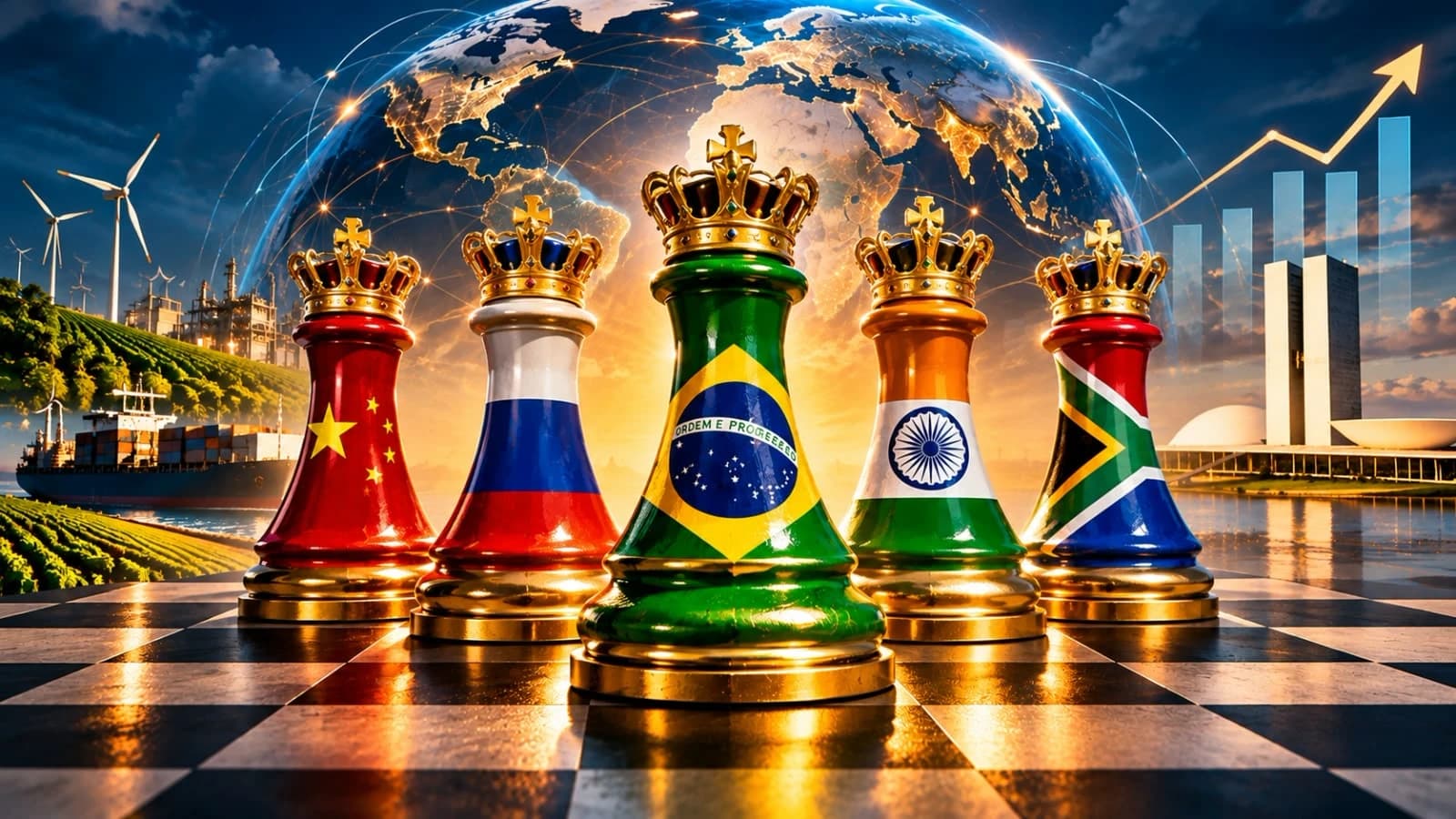
Brazil is living through a singular moment in its history. On today's global chessboard, our country brings together extraordinary geoeconomic and geopolitical advantages: food security, energy potential, strategic natural resources, productive capacity, diplomatic tradition and a position of growing importance within BRICS.
We have before us the opportunity to convert that international relevance into investment, industrialisation, technological innovation, jobs, income and prosperity for the Brazilian people.
My hope is that President Lula, with a qualified team and the effective participation of organised civil society, can build a fourth term even more successful than his second government, turning the opportunities of this historical moment into a lasting legacy for the generations to come.
Brazil needs to grow, produce, innovate and take the place in the world that belongs to it.
Perhaps that is precisely the greatest sense of urgency our country needs to have at this very moment.